
Integrations · Shopify inventory recovery

Shopify-native at the core, route-aware where it improves recovery

InventoryIntel uses Shopify as the operating core for catalogue, pricing, campaign execution and storefront presentation. It adds route support, external market context, monitoring and reporting where they improve recovery.

EXECUTE

Shopify native

InventoryIntel uses Shopify as the operating core for sync, pricing, campaign execution and storefront presentation.
PLAN

Recovery route support

When a better commercial path sits beyond the storefront, InventoryIntel can support wholesale, marketplace or controlled fallback routes.
DETECT

External market context

Recovery recommendations factor in competitive pricing, demand velocity and route costs.
EXECUTE

Storefront campaign surfaces and Automated Product Badging

Clearance experiences, promotional surfaces and product tags stay native to the merchant's store, while Automated Product Badging pushes condition-driven signals to the live storefront.
GOVERN

Notifications and monitoring

InventoryIntel supports always-on monitoring with Shopify Flow notifications, reminders and latest-sync visibility.
GOVERN

Exports and operational handoff

Aging reports, CSV exports and recovery reporting can be shared with buyers, operators or finance.
GOVERN

Enterprise access control

If your company uses Microsoft Entra ID, Okta or another SCIM-capable directory, govern access through that identity system.
Automated Product Badging

Storefront badges, pushed live as a Shopify theme app embed

Automated Product Badging installs as a Shopify theme app embed, so badges render natively on your storefront and appear or clear automatically based on conditions.
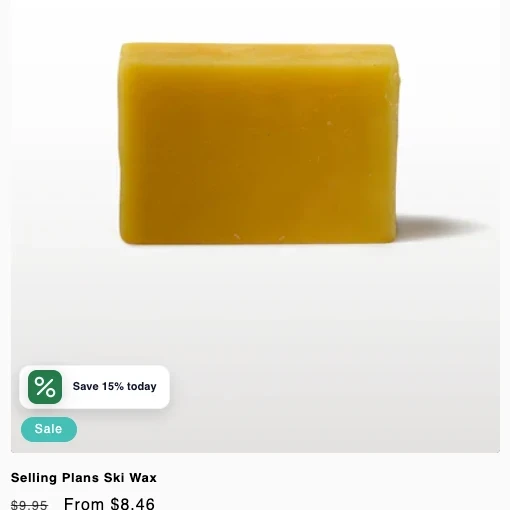
Close-up of the storefront markdown badge reading Save 20% today, priced to move while stock lasts

A Shopify storefront badge example: the markdown badge updates from the live recovery rule, and the same framework can power additional signals as your policies expand.

Example visual tags automatically pushed to Shopify

Markdown, Low Stock and Sustainability are the examples we are showing here. The system is broader than that, so additional badge types can be added as merchandising rules expand.

Green markdown badge with a percent symbol
MarkdownWhen a recovery markdown is live

A policy-approved price cut surfaces on the product page and collection grid — “Save 20% today, priced to move while stock lasts” — so shoppers see the deal without anyone editing the theme.

Amber low-stock alert badge with a warning triangle
Low stockWhen units drop below your threshold

Turns scarcity into conversion. The moment available stock falls under the level you set, a low-stock badge appears to nudge urgency — then clears itself once stock recovers.

Green sustainability badge with a leaf
SustainabilityWhen a product is flagged sustainable

Products you mark as sustainable automatically surface a sustainability badge, so eco credentials show on the storefront without manual merchandising.

Every badge is condition-driven: it appears only when its rule is met - an active markdown, stock under your threshold, or a sustainability flag - and clears automatically when the condition no longer holds. Markdown, Low Stock and Sustainability are the examples we show here, but the storefront signal system is designed to expand as your merchandising rules expand.

Want to see which integrations matter for your recovery workflow?

We’ll map Shopify execution, route support, monitoring and reporting to your workflow.

Install on ShopifyBook a Demo